Motion capture
In the motion capture studio, we conducted interaction tests between the crew members and the creature, including the creature’s attacks, movement patterns, and the crew’s reactions and escape motions. Through these experiments, we further studied the rhythmic relationship between the creature’s motion characteristics and the characters’ body language, providing valuable reference material for subsequent animation production.
Texture production
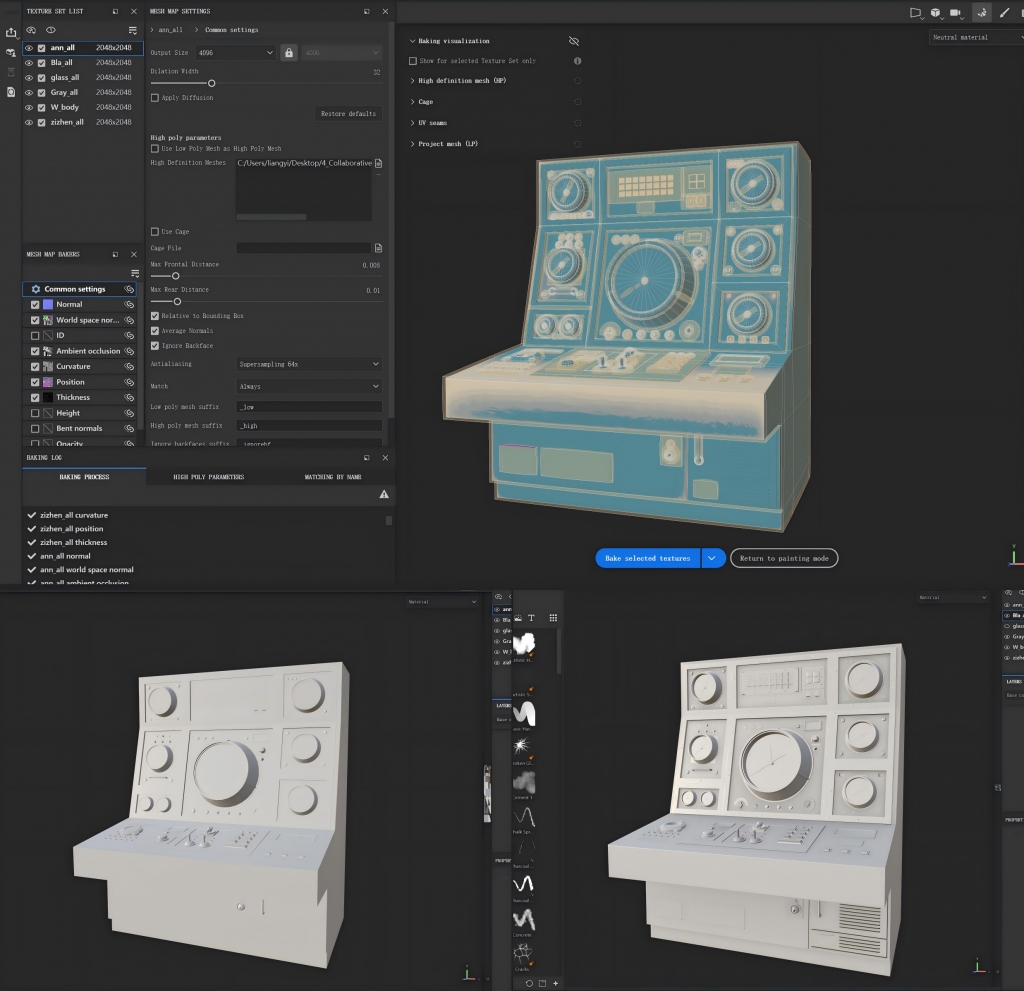
I baked the high-poly data onto the low-poly model and then began creating the materials.
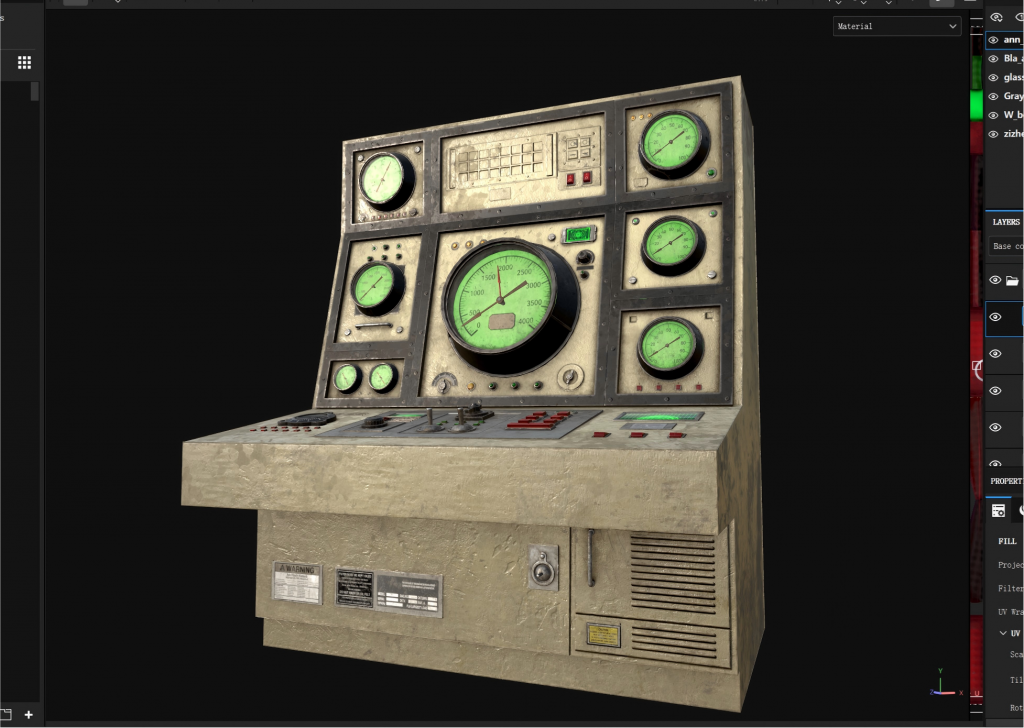
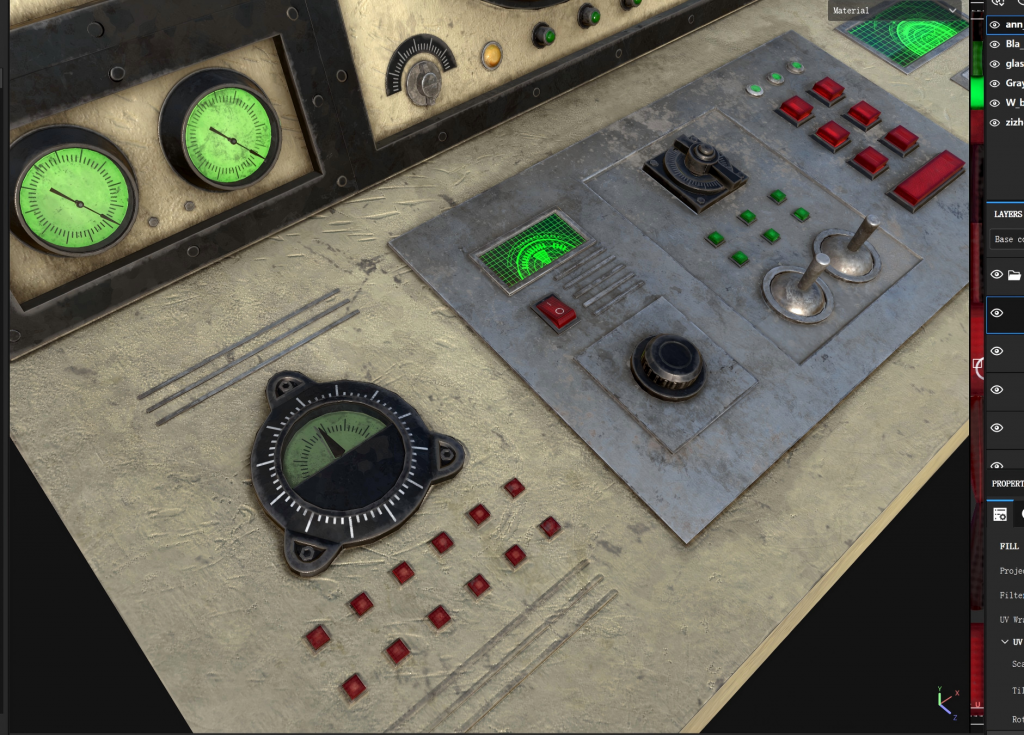
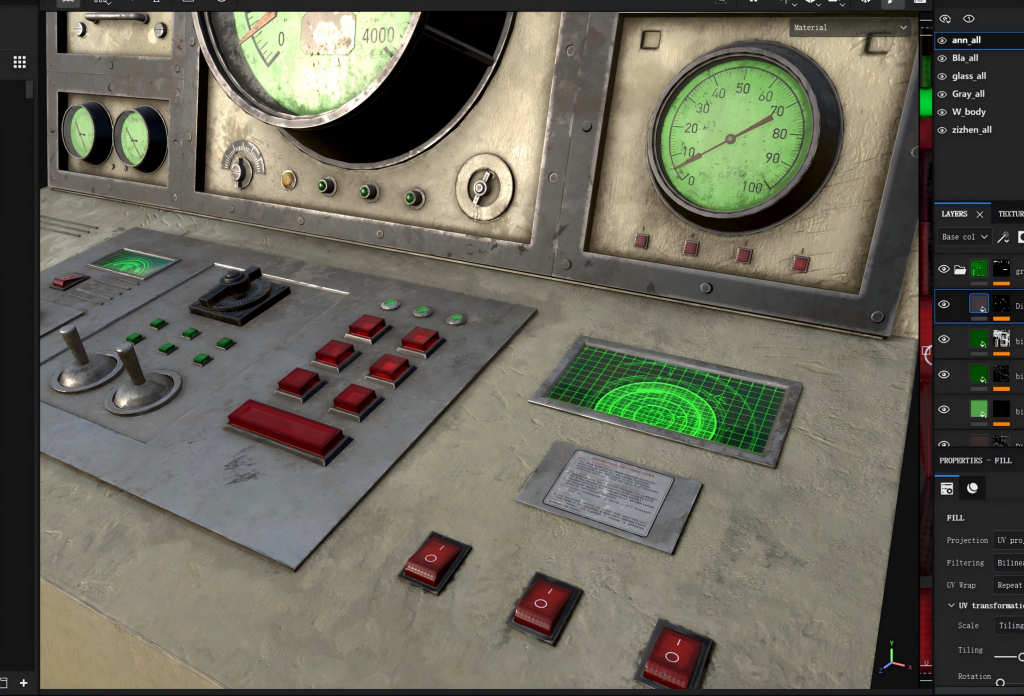
To match the project’s realistic visual style, I enhanced the texture details, roughness variation, and normal information, making the model appear more convincing under lighting. Additionally, to enrich the visual information of the scene, I created several self-illuminated graphical elements to enhance the overall visual layering.
Importing the Model into Unreal Engine 5 for Testing
After completing the model and textures, I imported them into Unreal Engine 5 and created the corresponding material shaders. Following lighting and rendering tests, I presented the results to the team.
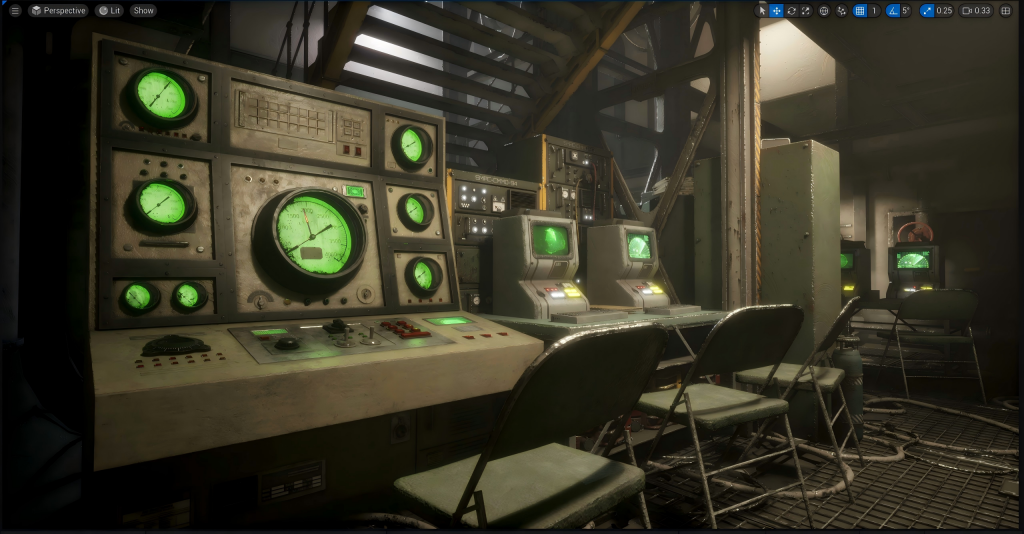
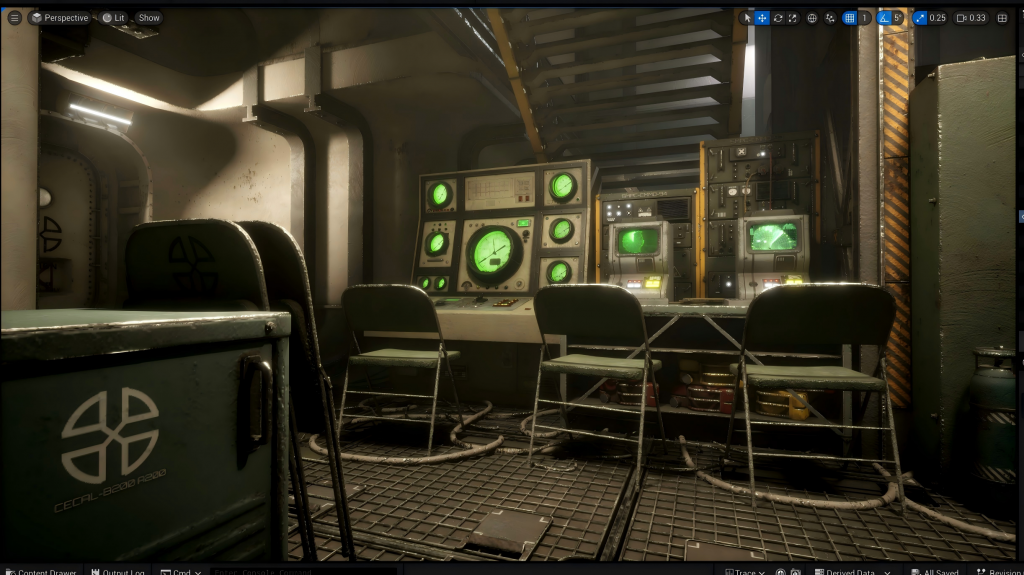
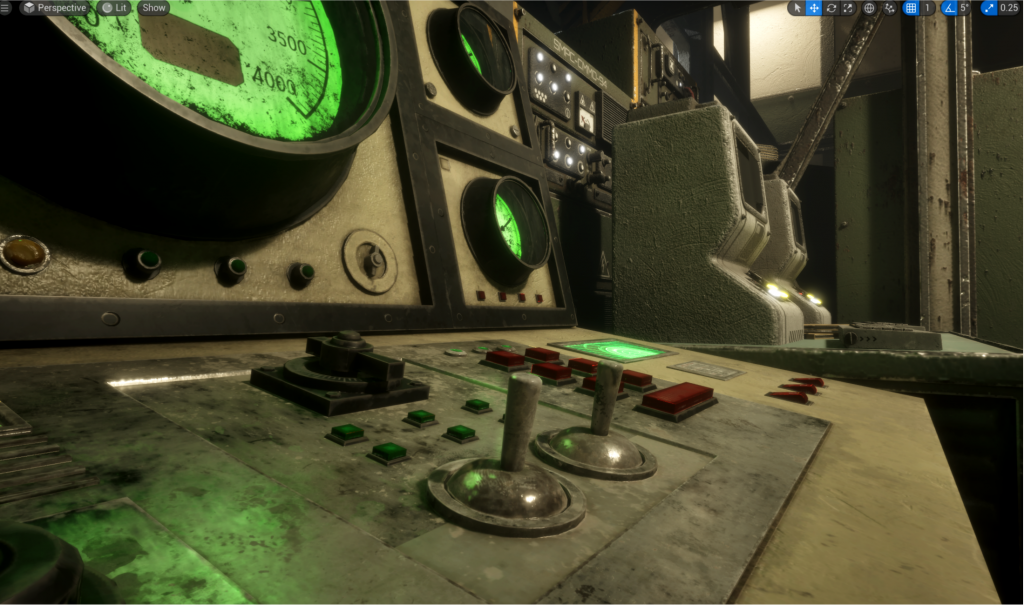
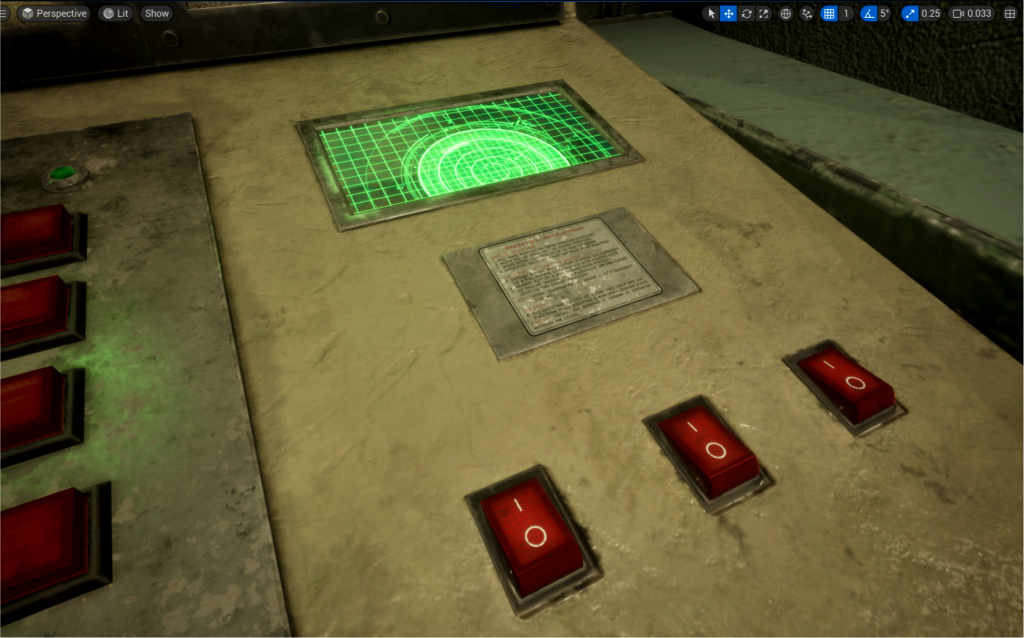
They agreed that the model integrated well with the environment and met the expected quality, allowing us to move smoothly into the next stage of production.
Nuke
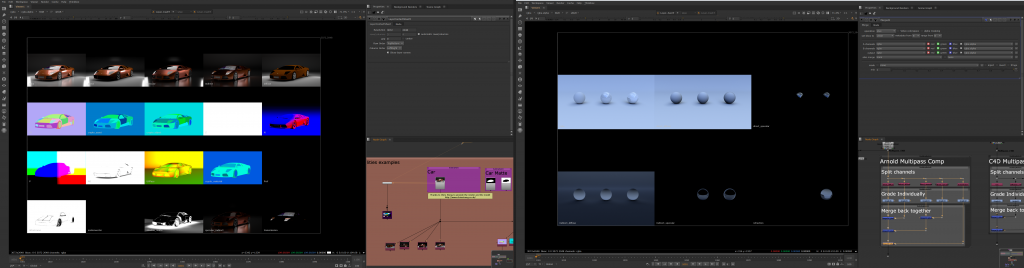
During class, we learned how to use the Shuffle node. With it, we can extract different channels (such as diffuse, specular, and normal) from EXR image sequences and process them individually. This enables a more flexible and efficient workflow for subsequent compositing tasks.
Leave a Reply